
How to Turn an Interior Design Idea Into a Real Project?
- September 8, 2026
- SofiyaAcademy
- 11:51 am
A design idea can come from almost anywhere. A fabric you notice in a shop, an old building you walk past, a photograph, a colour combination or something a client says during a conversation.
The difficult part is taking that idea and making it work in an actual space.
A finished room can look simple, but there may have been dozens of decisions behind it. Where should the furniture go? Which materials make sense? How much can the client spend? What happens if they change their mind halfway through?
This is why interior design is not simply about having good taste. There is a process behind the finished result.
Where Should You Begin With An Interior Design Project?
Start by focusing on who will use the space.
You may hear a client say they want a modern kitchen or a peaceful bedroom. Still, those labels do not explain the full picture. You have to ask about daily life and what the room must do for them.
How much storage do they need? Will they host guests often? Are there kids at home? Do they use the space every day, or just from time to time?
The property needs the same level of attention. Look at the layout, proportions, windows, doors, light and existing features. These details can change what is possible.
How Do You Turn A Brief Into An Actual Design?
Once you understand the project, you can start looking for a direction.
This is where concepts and moodboards become useful. They help bring together the colours, textures, materials and general feeling you want the space to have.
But there is no need to throw everything onto one board because it looks interesting.
The choices should relate to the brief. If the client wants a practical family room, for instance, delicate finishes that need constant care may not be the best answer.
Good design starts making sense when the creative choices have a reason behind them.
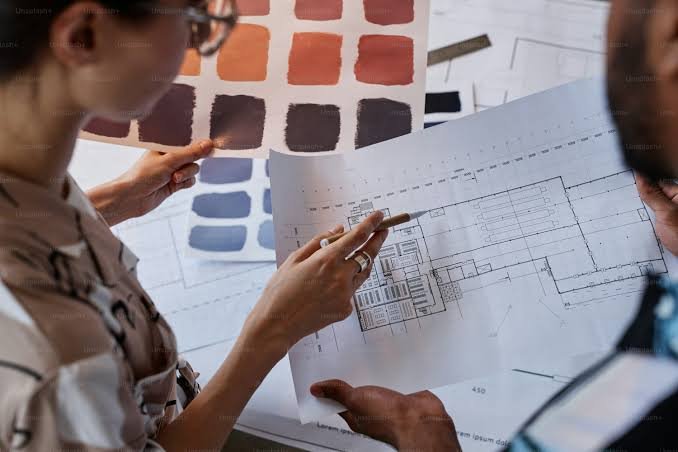
Why Should The Layout Be Considered Before The Finishing Touches?
People need to use the room. A sofa can seem right on paper, yet it can leave a tight path. Then getting by feels harder. A dining table can also look fine on a layout, but once you pull the chairs out, the space can get cramped. Moving around becomes a struggle.
These things matter. Space planning gives you the chance to work out those problems early. It is much easier to move furniture around on paper than after everything has been purchased and installed.
This is one reason we put so much attention on understanding how spaces work.
What Happens When The First Idea Needs To Change?
It probably will.
Clients change their minds. Products go out of stock. Costs are higher than expected. A contractor may point out something that needs to be altered.
This does not mean the project is over.
A designer should study the issue, weigh the options, and pick a clear path. Some concepts hold up and stay as they were. Other times you only change a detail. There are also cases where you must revisit a section and rethink it from the start.
The key is to keep the main goal in place while you make these moves.
How Does The Budget Affect Your Design Choices?
More than you might think.
A client can have a very clear idea of what they want, but there still needs to be a realistic figure behind it. Costings help show where the money is going and whether the proposed design can actually be delivered.
That does not always mean making the design less interesting.
It can mean choosing where to spend more and where to save. An alternative material may work just as well. A different furniture piece might free up money for something more important.
Learning to make those calls is part of the job.
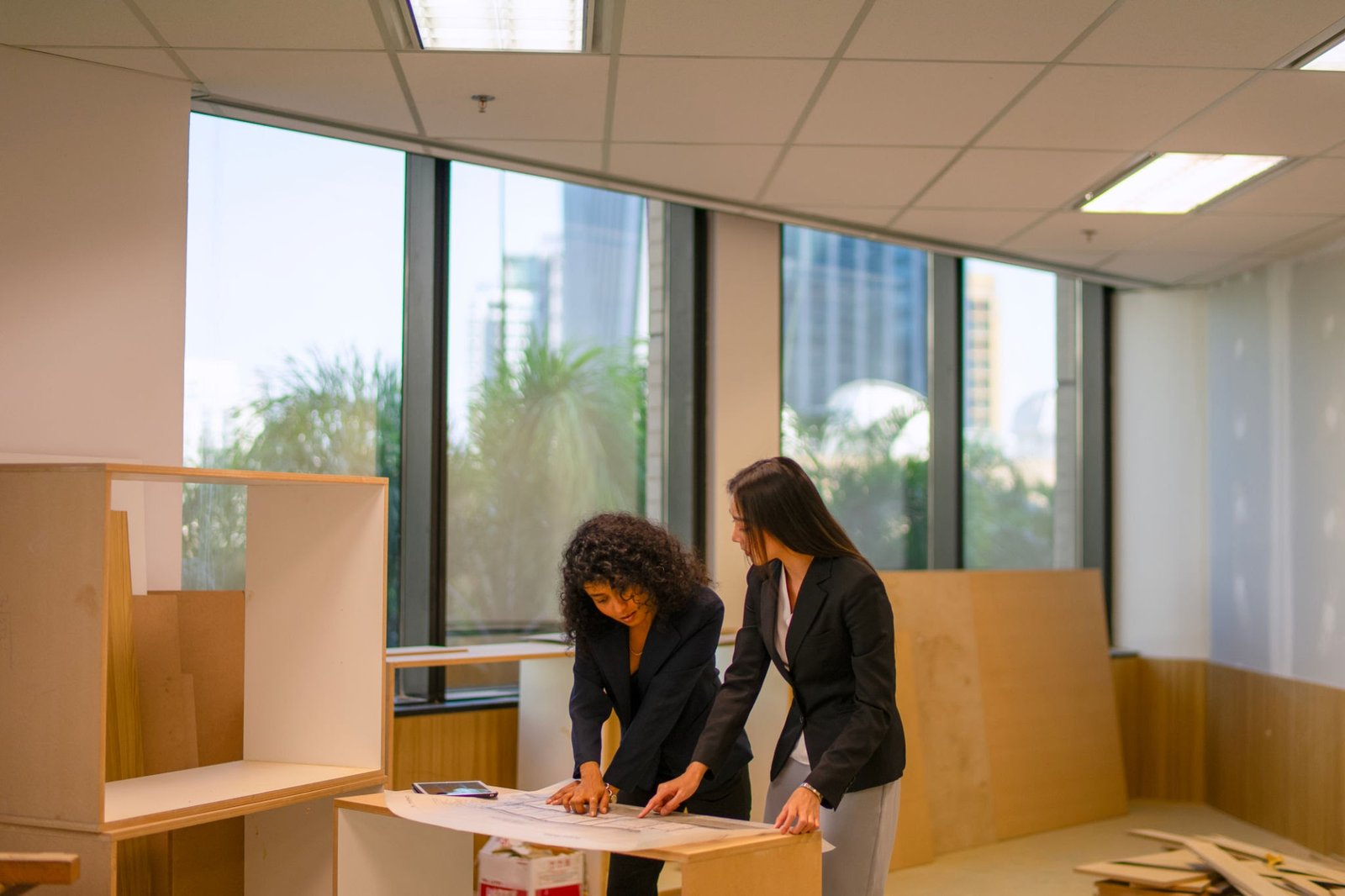
How Do You Know When All The Details Work Together?
Check the space from one end to the other.
Furniture, light, the floor, fabric, woodwork, and the final surfaces should not be treated as separate bits. They have to seem like they were meant to be in the same place.
That does not mean everything has to match. In fact, a room with too much matching can feel flat.
Contrast can be useful. A strong colour can sit alongside a quieter material. Different textures can add depth. The trick is knowing why you are putting things together rather than adding something simply because you like it.
What Can You Learn By Completing A Full Design Project?
Quite a lot.
Working through a project shows you how one decision can affect the next. You start to understand why the brief matters, why layouts need careful thought and why specifications and costings cannot simply be left until the end.
You also get used to explaining your work.
Starting in design can feel awkward. When you share an idea, you put your thoughts out in the open. You also need to be ready for questions and to talk.
Over time, it gets simpler.
How Can You Improve Your Approach To Interior Design?
Try a range of project types. Keep at it, even if you feel unsure. Also, challenge what you chose.
Think about why one layout feels right. Why have you chosen that material? Does the lighting suit the room? Does the design answer the client’s actual needs?
Those questions can lead to better decisions.
At SOFIYA DESIGNS ACADEMY, we take a practical view of learning because interior design becomes much easier to understand when you can see how the different parts of a project connect.
You do not need to nail the “right” design every single time. The main thing is that you learn while you work. As you go, your choices should feel less scary.
Over time, you will get more used to your own process and start shaping how you do things.
Sofiya is an experienced interior designer and the creative force behind Sofiya Designs Academy. With a passion for thoughtful, beautifully considered interiors, she brings her design knowledge, creative approach and practical experience into an accessible learning environment for aspiring designers and design enthusiasts.
Through the Academy, Sofiya shares the principles and processes that shape successful interiors, helping students understand how to approach a space with greater clarity and confidence. From colour and space planning to furniture, materials, lighting and styling, her approach focuses on creating interiors that feel cohesive, personal and timeless.
Sofiya Designs Academy was created to make interior design knowledge more approachable, giving students the opportunity to learn at their own pace while developing their creative eye and understanding of professional design principles.
Each course and journal article reflects Sofiya’s passion for interiors and her belief that great design comes from understanding the space, making considered decisions and paying attention to the details that bring everything together.
Discover more about Sofiya on our Meet Sofiya page or explore the latest insights and inspiration through the Sofiya Designs Journal.

SOFIYA BURNUSUZ
Interior Designer, Creative Educator & Founder of Sofiya Designs Academy, inspiring confident designers through practical knowledge, timeless interiors and thoughtful design.
Discover the Secrets Behind Beautiful Interiors
Get a glimpse into Sofiya’s approach to interior design with our complimentary training video.